Blog
How to Choose Custom Yoga Clothes for Your Fitness Brand?
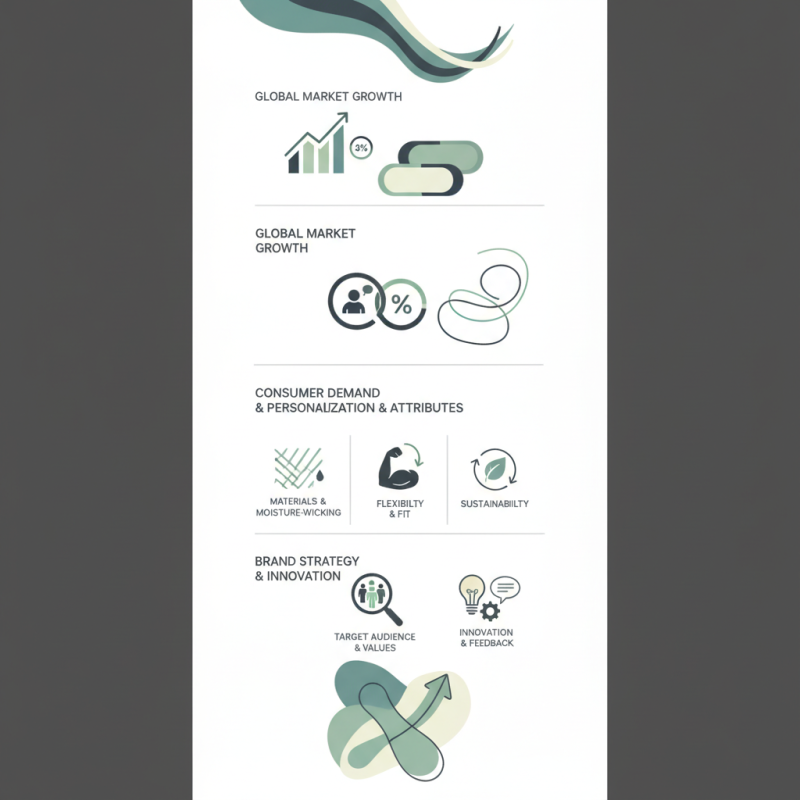
Choosing the right Custom Yoga Clothes for your fitness brand can be challenging yet rewarding. The global activewear market is projected to reach $547 billion by 2024, showing the increasing demand for personalized products. Customization is no longer a trend; it's essential for brands wanting to resonate with consumers. Research indicates that 70% of millennials prefer brands that offer personalized experiences, highlighting the importance of tailored clothing.
Custom yoga clothes must combine functionality with style. High-quality materials, moisture-wicking properties, and flexibility are vital aspects to consider. However, finding the right balance isn’t easy. Many brands overlook fit, which can affect customer satisfaction. In an industry that prioritizes comfort and performance, this oversight can lead to lost sales. Furthermore, sustainability is becoming a priority, with 77% of consumers favoring eco-friendly brands.
Brands should reflect on their target audience's preferences and values. Understanding specific needs can lead to better customization. A well-executed design will not only attract customers but can also build loyalty. As the activewear landscape evolves, embracing innovation and feedback is crucial for standing out in a saturated market.
Understanding Your Target Market for Yoga Apparel
Understanding your target market for yoga apparel is crucial for creating successful custom designs. Different demographics have distinct needs and preferences. For instance, younger consumers may favor bold colors and trendy styles. In contrast, older individuals often prefer comfort and functionality. Conducting surveys or focus groups can provide invaluable insights into what your audience values most.
Pay attention to lifestyle choices too. Many yoga practitioners prioritize sustainability. Using eco-friendly fabrics could enhance your brand's appeal. However, a shift toward sustainability requires careful consideration. It may raise production costs or limit material options. Balance is essential. Engaging with your audience through social media can help capture their preferences.
Identifying gaps in the market can lead to innovative ideas. Some customers may seek specialized items, like plus-size yoga wear or adaptive apparel for individuals with disabilities. Others might look for accessories that complement their practice. Pay attention to feedback and adapt your designs accordingly. Stay open to constructive criticism, as it helps refine your offerings. Understanding your target market is not just about appealing aesthetics; it involves creating a relatable and functional product line.
Determining the Key Features of Custom Yoga Clothing
When choosing custom yoga clothing for your fitness brand, key features matter significantly. You need to consider the fabric first. High-performance materials like moisture-wicking polyester and breathable spandex can enhance comfort during workouts. Look for fabrics that offer flexibility and durability. Soft, lightweight materials feel great against the skin.
Next, think about fit. The right fit can boost confidence. Styles such as high-waisted leggings or crop tops could appeal to your target audience. Size inclusivity is crucial. Diverse sizing builds trust and encourages a loyal customer base. Also, focus on details like seams and waistband design. Flatlock seams can prevent chafing, while a supportive waistband enhances comfort.
Lastly, don't overlook aesthetics. Colors and patterns can reflect your brand's identity. Yet, trends evolve quickly. Staying true to your brand while adapting to changing preferences is challenging. Sometimes, striking the right balance requires testing and feedback. Understanding what resonates with your audience takes time and reflection. Your choices in design and features will define your brand's appeal and reliability in the fitness market.
Choosing the Right Fabric for Comfort and Performance
When choosing custom yoga clothes, fabric selection is vital. The right fabric enhances both comfort and performance. High-quality materials can significantly impact athletes’ physical experiences during practice. According to a recent industry report, 70% of yoga practitioners prioritize comfort over style when selecting workout attire.
Cotton is a popular choice for its softness. However, it may absorb moisture, becoming heavy during intense workout sessions. An article by Sportswear International highlights that 80% of consumers prefer moisture-wicking fabrics. These materials help athletes stay dry and focused. Polyester and spandex blends are ideal options, providing durability and flexibility. These fabrics can stretch and move with the body, allowing for intricate poses without restriction.
Sustainability is another consideration. Eco-friendly fabrics gain attention in the fitness community. A report from the Global Fashion Agenda indicates that 70% of consumers are willing to pay more for sustainable options. Thus, brands can target this growing market by offering recycled polyester or organic cotton selections. Remember, fabric quality can reflect your brand’s values and commitment to the environment. Making informed choices requires careful thought, and it’s beneficial to experiment with different materials before finalizing designs.
Exploring Design Options to Reflect Your Brand Identity
When designing custom yoga clothes for your fitness brand, identity is key. Colors, textures, and patterns should align with your brand's ethos. A vibrant palette can evoke energy and positivity, while neutral tones might offer a calming presence. Consider fabrics that showcase sustainability. Eco-friendly materials not only appeal to conscious consumers but also reflect the growing demand for responsible fashion.
Incorporating unique designs can further distinguish your brand. Think about how your garments can enhance movement and comfort. Features like breathable mesh panels or four-way stretch can attract attention. However, it’s essential to balance aesthetics with functionality. A striking design may look appealing but could hinder performance if not executed well. Feedback from athletes and health enthusiasts can provide valuable insights on these aspects.
Your logo placement matters too. From subtle embroidery to bold prints, your logo should align with your brand's message. Creating mock-ups can help visualize these choices. Keep in mind that selections can often feel overwhelming. Reflecting on your brand’s journey might help in narrowing down options. Custom yoga clothes should tell a story, celebrate your values, and foster a connection with your audience.
Selecting Reliable Manufacturers for Quality Production
When selecting reliable manufacturers for custom yoga clothes, quality should be a priority. According to a report by Grand View Research, the global activewear market is expected to reach $546.29 billion by 2024. This highlights the importance of choosing the right supplier to stand out in a competitive market.
Look for manufacturers that emphasize sustainable materials. Reports indicate that 73% of consumers prefer brands committed to eco-friendly practices. Eco-conscious consumers are willing to pay up to 30% more for sustainable products. This suggests that partnering with manufacturers who prioritize sustainability can boost your brand’s appeal.
Inspect samples rigorously. Awaiting delayed shipments may expose your brand to quality risks. A staggering 41% of businesses experience production delays due to quality control issues. Transparent communication with manufacturers can help avoid misunderstandings. Consider their production timelines and capacities carefully. Choosing the wrong partner can lead to costly setbacks.