Skip to Content
chevron-left chevron-right chevron-up chevron-right chevron-left arrow-back star phone quote checkbox-checked search wrench info shield play connection mobile coin-dollar spoon-knife ticket pushpin location gift fire feed bubbles home heart calendar price-tag credit-card clock envelop facebook instagram twitter youtube pinterest yelp google reddit linkedin envelope bbb pinterest homeadvisor angies

How to Create Jewelry That Sells in 2026?

Creating jewelry that sells in 2026 poses unique challenges and exciting opportunities. As trends shift rapidly, understanding consumer preferences is essential. To effectively create jewelry, you must blend creativity with market insights. This requires paying attention to social media trends and emerging styles.

In today's marketplace, personalization is key. Customers seek pieces that reflect their individuality. This means your designs should resonate with their story. Consider the materials you use. Sustainable and ethical sourcing is more than a trend; it's a responsibility. Jewelry that tells a story will stand out.

However, the journey isn't always smooth. It's common to face failures and rejections. Reflecting on your designs can lead to valuable insights. Ask yourself how you can differentiate your pieces. Engage with your audience to gain feedback. By continually evolving, you can effectively create jewelry that resonates in 2026 and beyond.
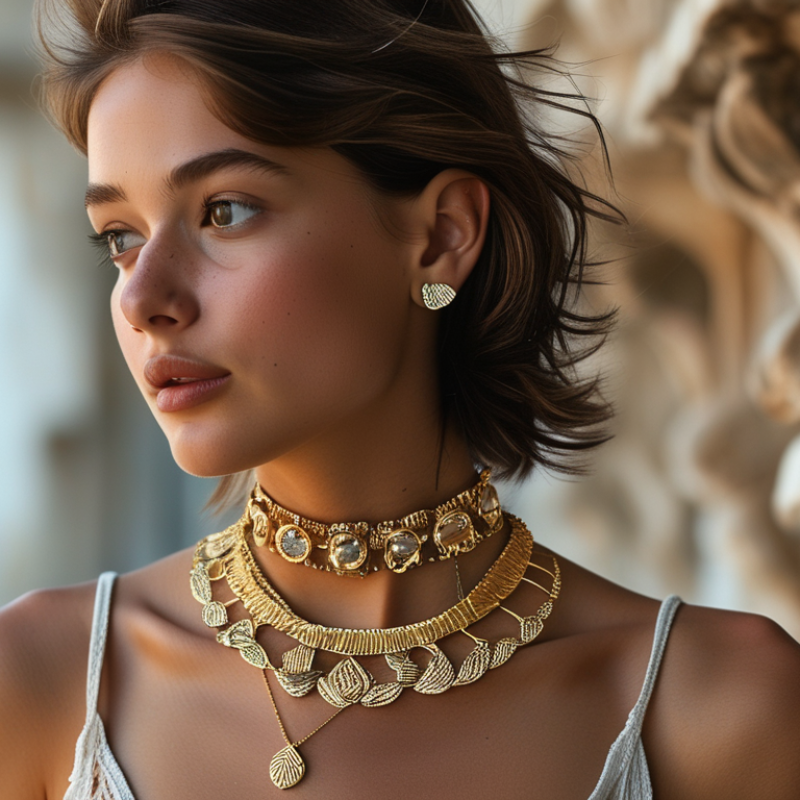
How to Create Jewelry That Sells in 2026?

Understanding Jewelry Trends for 2026

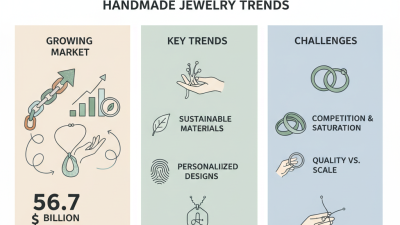
As we move into 2026, understanding jewelry trends is crucial for crafting pieces that resonate with consumers. Data from market research firm Statista indicates that the global jewelry market is projected to reach $292 billion by 2026. This growth presents opportunities, but it also challenges jewelers to innovate continually and address shifting consumer preferences.

Sustainability remains a vital trend in the jewelry industry. According to a survey by McKinsey, 80% of consumers are more likely to purchase from brands that demonstrate environmental responsibility. Jewelry makers should consider sourcing recycled metals and ethically mined gemstones. Consumers are also gravitating towards minimalist designs. Pieces that highlight raw materials or organic shapes can cater to this aesthetic, allowing artisans to reflect personal stories through their creations.

Nevertheless, the rise of virtual reality and augmented reality means that jewelry has to engage digitally. A report by Gartner predicts that 75% of consumers will use augmented reality in online shopping by 2026. This means innovative presentations, like virtual try-ons or interactive showrooms, will become essential. Crafting jewelry that not only looks good but also engages customers in new ways could redefine the market. However, many artisans may find adapting to this technology daunting. Embracing these changes is not just beneficial but necessary for survival in an increasingly competitive landscape.

Identifying Target Audiences for Jewelry Sales

Identifying your target audience is crucial for jewelry sales in 2026. Understanding who your buyers are can significantly enhance your design choices. For example, Millennials may prefer sustainable materials and unique designs, while Baby Boomers might favor classic styles. Consider conducting surveys or focus groups to gather insights on preferences. Engage with potential customers on social media platforms to learn about their interests.

Another key aspect is to analyze purchasing behavior. Explore trends in online shopping, as younger audiences increasingly favor e-commerce. Use analytics tools to track which types of jewelry gain traction. For instance, examine which pieces sell well during certain seasons or events.

It’s essential to recognize that not every targeted approach will work. Trial and error are part of the process. Some designs may not resonate as expected. Listening to feedback is vital for growth. Adapting your strategies based on customer responses can lead to more meaningful connections and increased sales.

Sustainable Materials and Ethical Practices in Jewelry Making

Sustainable materials and ethical practices are becoming crucial in jewelry making. Many consumers in 2026 care deeply about the origin of their pieces. They want items that reflect their values. Choosing recycled metals or ethically sourced gemstones is a great start. This approach not only reduces environmental impact but also creates a story behind each piece.

Crafting jewelry with sustainability in mind can be challenging. For example, sourcing genuine ethically mined stones often takes more time and effort. There may be fewer suppliers available. Designers might feel tempted to cut corners. Balancing cost and ethics becomes a delicate dance. However, transparent practices can build trust and loyalty among customers. More buyers appreciate knowing the sourcing journey of their jewelry.

Creating beautiful jewelry that aligns with these values can require creativity. Experimenting with alternative materials like glass or bamboo can yield stunning results. Trying new designs can spark innovation. It’s essential to continually reflect on personal practices. Experimentation promotes growth, even when results aren't perfect. Embracing these challenges can lead to a more fulfilling and responsible craft.

Effective Marketing Strategies for Jewelry Brands

In 2026, effective marketing strategies for jewelry brands will rely heavily on connecting with customers. Understanding their desires is essential. Social media platforms can become powerful tools. They enable brands to showcase stunning designs and the stories behind them. Visual content is a must. High-quality images can capture attention quickly. Videos showing craftsmanship and behind-the-scenes processes can deepen engagement.

Crafting a unique brand identity will also be crucial. This means not just selling jewelry, but selling a lifestyle. Developing messaging that resonates with target customers can create loyal followers. Consider sustainability in materials and practices. More consumers prefer brands that align with their values. Highlight these efforts clearly in your marketing.

Some brands struggle with authenticity in their messaging. They can overemphasize certain narratives and risk seeming disingenuous. Reflect on how your brand communicates. Are you truly connecting? Build a feedback loop with customers. Listening can reveal insights that help refine your approach. Marketing is not just about promotion; it’s about building genuine relationships.

How to Create Jewelry That Sells in 2026? - Effective Marketing Strategies for Jewelry Brands

Strategy Description Estimated Reach Cost
Social Media Marketing Utilize platforms like Instagram and Pinterest for visual marketing. 1,000,000+ $500/month
Influencer Collaborations Partner with influencers for brand exposure. 500,000+ $1,000/event
Email Marketing Send newsletters and promotional offers to subscribers. 10,000+ $200/month
Trade Shows Showcase products at industry events and fairs. 50,000+ $3,000/event
SEO Optimization Improve website ranking for better visibility. 300,000+ $600/month

Leveraging Online Platforms to Boost Jewelry Sales

In 2026, creating jewelry that captivates buyers requires a strong online presence. Many artisans are turning to social media to showcase their pieces. Platforms like Instagram and TikTok have visual appeal. High-quality images draw attention. Short videos can tell your story and highlight your craft. Engaging captions add depth. This approach builds a community around your brand.

Online marketplaces also play a crucial role. They offer wider reach and instant access to potential customers. However, simply listing products isn’t enough. Sellers must optimize their product descriptions. Clear, concise wording helps buyers understand what sets your jewelry apart. Think about SEO and keywords to improve visibility. It’s not always easy, and it requires constant learning.

Feedback is vital. Customers share what they love or dislike. Pay attention to these insights. Adapt your designs and marketing strategies based on real experiences. Be open to experimenting. Not every trend will resonate with your audience. Reflection on past sales can guide future decisions. Emphasizing authenticity and connection with buyers will ultimately boost your sales in this competitive market.

Projected Jewelry Sales by Online Platform in 2026

Stay tuned, more blog items coming soon!

Have a Custom Design in Mind?